
The Procedure · July 22, 2026 · 6 min · By Evangelina Moss
Lip blush versus lip filler: color is not volume
Lip blush tattoos the color back into a pale lip. Filler adds size and shape. What each one actually fixes, and why people often want the wrong one.
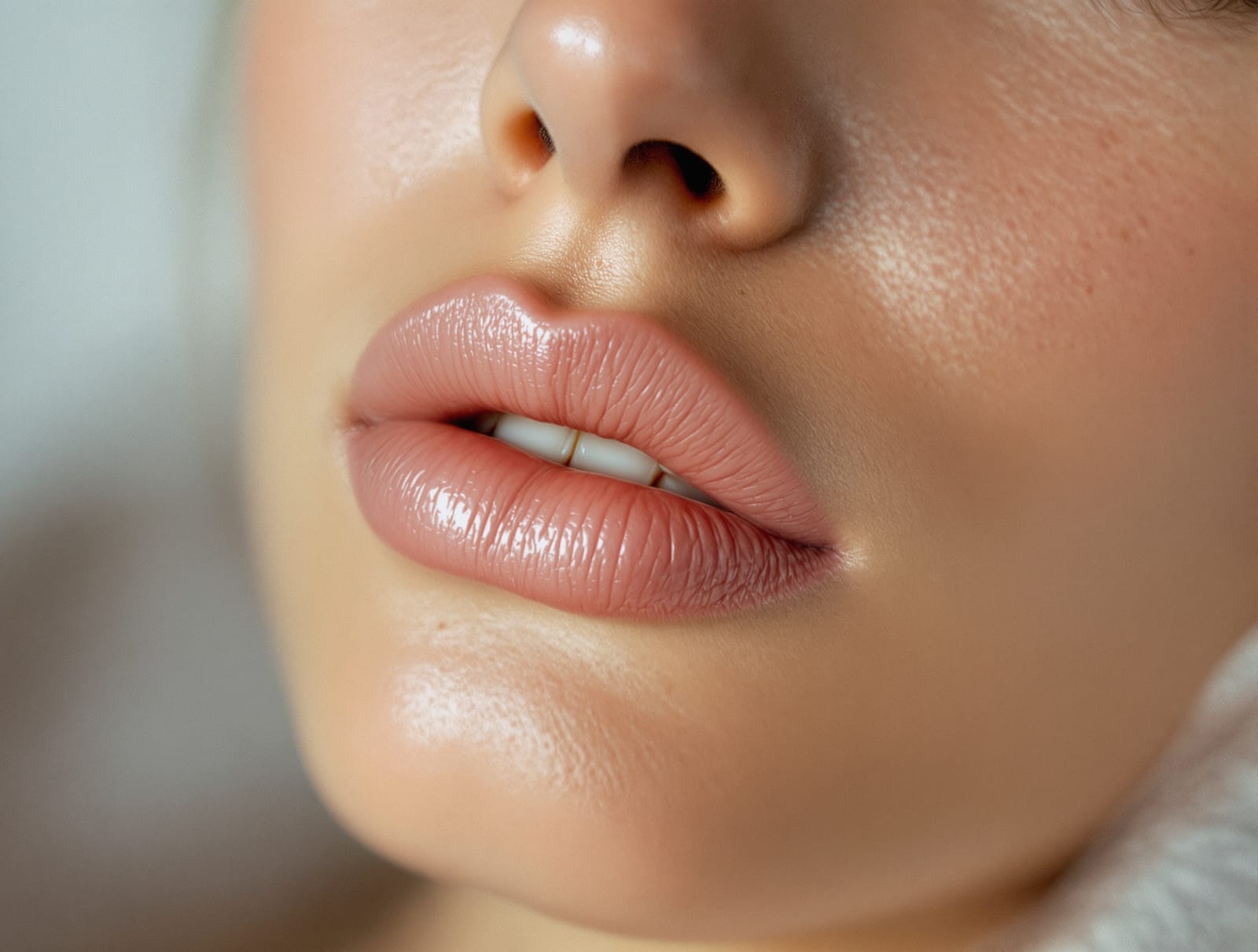
Two very different treatments get shopped for in the same search session, usually by the same person, usually because both promise fuller-looking lips. Lip blush is a cosmetic tattoo that deposits soft pigment into the lip. Lip filler is a gel injected under the surface to add volume. They look adjacent on a price list and they are not remotely the same procedure, which is why a fair number of people book one and quietly wanted the other.
What lip blush actually is
Lip blush, sometimes sold as lip tint, lip tattoo, or lip micropigmentation, is permanent makeup. A technician uses a fine needle to place pigment into the upper layers of the lip, usually in a soft wash of color rather than a hard lipstick line, and often carrying the tint slightly to the natural border to sharpen definition. The goal is a lip that reads as tinted and defined without makeup: more color, crisper edges, better symmetry of the visible pink.
What it does not do is add a single millimeter of volume. It can make a lip look somewhat fuller, because a pale, blurred lip border visually shrinks the mouth and restoring color and definition visually restores some of it, but that is an optical effect on the surface. If your complaint is that your lips are genuinely thin, blush will not change their size. This is worth being blunt about, because the before-and-after photos circulating online are frequently shot with lip liner, gloss, and flattering light doing a share of the work.
What filler does that blush cannot
Filler is a structural change. Hyaluronic acid gel placed in the lip adds actual volume, projects the lip forward, supports and defines the border, and can correct asymmetry in size rather than in color. The basics of a natural result are all about how much gel goes where, and none of it touches pigment. A filled lip is a bigger lip. A blushed lip is a more colorful one.
The practical translation: stand in front of a mirror in good light with no makeup on. If what bothers you is that your lips disappear into your face, look washed out, or lose their outline, that is a color and definition problem, and blush addresses it directly. If what bothers you is that your lips are small, flat, or uneven in size, that is a volume problem, and no pigment will solve it.
The permanence question, which cuts the other way than people expect
Most people assume the tattoo is the low-commitment option because it is not an injection. It is the opposite. Hyaluronic acid filler is temporary by design, fading over months, and it can be dissolved on purpose within a day or two if you dislike it. Cosmetic tattoo pigment is placed in the skin and stays there. Practitioners describe lip blush as semi-permanent because the color softens over a couple of years and gets refreshed, but softening is not disappearing. A shade you regret, a border set too high, or pigment that heals to an unflattering tone is a removal or correction project, not an undo button.
The US Food and Drug Administration is direct about this in its overview of tattoos and permanent makeup, noting that these procedures carry risks including infection and allergic reaction, that the pigments used are not approved color additives for injection into skin, and that removal is difficult, costly, and can leave discoloration. The American Academy of Dermatology catalogs the specific ways tattooed skin can react, including delayed allergic responses that surface months or years later, in its guide to unexpected skin reactions to tattoos.
How common are problems?
Less common than the horror stories suggest, but not zero. A survey of more than 1,300 permanent makeup clients at a single clinic, published in Medicine, found complications after eyebrow and eyeline procedures were mostly minor and self-limited, with itching and swelling the most frequent and infection reported in a fraction of a percent. The lip carries one extra consideration that brows do not: it is a site where herpes simplex lives. Anyone with a cold sore history should expect a technician to ask, and should expect the same short course of preventive antiviral that a good injector prescribes before lip filler and cold sores become a problem. A tattoo needle is exactly the kind of trauma that wakes the virus.
Cost, healing, and how they compare in practice
Lip blush is typically a two-appointment process, an initial session plus a touch-up once the color settles, with a few days of noticeable swelling and about a week of the color looking far darker and more intense than the healed result. Pricing in most US markets sits in a range not unlike a syringe of filler, but the cadence differs: blush is repeated every year or two, filler every six to twelve months. Over a decade the filler habit costs considerably more, which is a fair point in blush's favor if color is genuinely what you want.
They also combine. Plenty of people have both, and the sensible order is filler first and blush second, so the pigment is placed on a lip that is already the shape it is going to be. Tattooing a border and then changing that border with gel is how a lip blush ends up looking slightly off.
The takeaway
Ask what you are actually trying to fix. Color, definition, and a lip that vanishes without lipstick point to lip blush, a semi-permanent tattoo with real staying power and real risks worth reading before you book. Size, projection, and thin lips point to filler, which is adjustable, reversible, and the more forgiving place to experiment. Either way the provider matters more than the technique, which is the same lesson that runs through choosing the right injector, and healthy, well-cared-for lips make both look better, which is the unglamorous lip care point nobody wants to hear.
Related reading: Do lip plumpers actually work?