
The Procedure · July 28, 2026 · 8 min · By Evangelina Moss
Cannula or needle for lip filler: what the instrument actually changes
The lips sit directly on top of an artery whose depth varies enormously from person to person, and in a substantial minority it runs shallow enough to be genuinely exposed. The instrument your injector picks changes the odds of finding it, and almost nobody is asked about it.
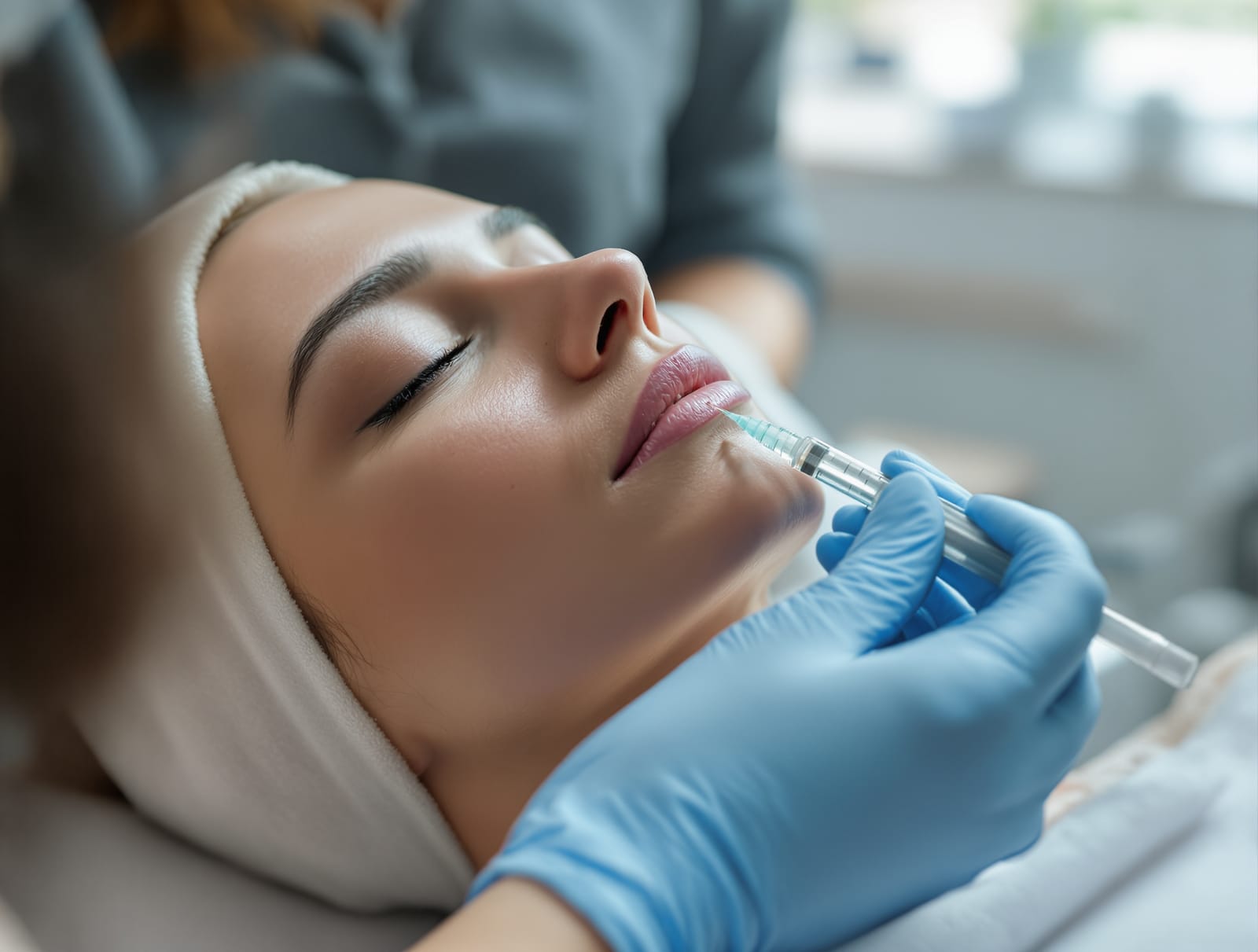
The instrument question almost never comes up at a lip filler consultation. The conversation covers product, volume, price, downtime and what the result should look like. What gets used to put the material in is treated as a technical detail belonging to the injector, in roughly the way you would not ask a surgeon which scalpel.
That framing is wrong for this specific procedure, because the lips are one of the few injection sites where the choice of instrument has a direct and much discussed relationship to the complication everyone is actually afraid of.
The original element in this piece is a ninety minute post injection self check, run on a clock, that separates ordinary swelling from the early signs of a vascular event, paired with a short consultation script about instrument choice. Aftercare sheets tell you that swelling and bruising are normal and to call if something seems wrong, which is precisely the judgment the patient is least equipped to make while their lips are numb and twice their usual size. A timed set of checks with defined findings is a different tool, and it does not exist in the patient facing material.
What is under there. The blood supply to the lips comes principally from the superior and inferior labial arteries, which are branches of the facial artery. The point that matters is that their depth is variable. Anatomical and imaging work, including the ultrasound based mapping of the labial artery pathway used to design a nine point injection technique, consistently finds that while the artery most often runs deep, posterior to the muscle and near the wet mucosa, in a meaningful minority of people it runs submucosally or within the muscle, and it is not symmetric between sides in everyone. Which means that no injector, however skilled, knows exactly where your artery is unless they have imaged it, and almost nobody images it.
If filler is injected into that vessel, or compresses it enough to occlude flow, the tissue downstream loses its blood supply. Left unrecognized it progresses to skin necrosis. Recognized quickly it is usually reversible, because hyaluronic acid fillers can be dissolved with hyaluronidase, and time to treatment is the variable that most affects the outcome.
What the instrument changes. A needle is sharp, short and precise. It goes exactly where it is pointed, deposits in a small defined location, and if the tip lands inside a vessel it will pierce it cleanly. A cannula is blunt tipped and flexible, entered through a single small port made with a needle, and then advanced through the tissue plane. Because it is blunt, it tends to push vessels aside rather than pierce them, and because it is longer, one entry point can treat a wider area with fewer punctures.
The tradeoff is real in both directions and is not a matter of one being correct. Cannulas reduce, but do not eliminate, intravascular injection risk, and they generally produce less bruising and fewer entry points. Needles give finer control over precise placement, which matters for defining a vermilion border or treating a small asymmetry, and many experienced injectors use both within the same appointment for different parts of the lip. The review of considerations and techniques in lip augmentation with hyaluronic acid treats instrument choice as one variable among several rather than a settled question, and structured approaches like the four point injection technique exist precisely because reproducible placement, not instrument alone, is what drives both safety and result.
The consultation script. Four questions, asked before you book rather than while reclined. Which instrument do you plan to use for my lips, and why that one for my anatomy. Do you keep hyaluronidase on site, in date, in this room. Have you treated a vascular occlusion, and what is your protocol. If something happens tonight, what number do I call and who answers it.
The third and fourth questions matter more than the first. An injector who uses needles exclusively, keeps dissolver in the room and can describe their protocol without hesitating is a safer proposition than one who uses cannulas and has to check whether the hyaluronidase expired. Instrument choice is a preference. Preparation is not, and it belongs in the same category as everything else in choosing an injector.
The ninety minute check, on a clock. Set three alarms: twenty minutes, sixty minutes, ninety minutes. At each one, do the same three things in the same order, in good light, with a mirror.
Look at color first. Normal early appearance is uniform pinkness with some redness at entry points, plus bruising that is purple or blue and confined to discrete spots. What you are looking for instead is blanching, meaning an area that has gone distinctly white or pale and stays that way, or a dusky, mottled, net like pattern of grey or bluish discoloration that is spread across an area rather than sitting at a puncture. That reticulated mottling is the classic early appearance and it does not look like a bruise. It looks like marbling.
Check refill second. Press a fingertip on the pale or mottled area for two seconds and release. Normal tissue pinks back up almost immediately. Sluggish return, taking several seconds, on an area that also looks pale or mottled, is the finding that matters.
Check the pain third, and last, because pain alone produces most of the false alarms. Lip filler is uncomfortable and swelling is tight. What is not normal is severe pain that is out of proportion to how things look, that is increasing rather than settling over the ninety minutes, or that has moved somewhere new, particularly up toward the nose or into the cheek, since occlusion can affect territory well beyond the injected area.
How to read the combination. Any two of blanching, mottling and delayed refill, or severe and escalating disproportionate pain, is a call now situation, tonight, at whatever hour it is. Not a message in the morning. Bruising alone, swelling alone, tenderness alone, or lumps you can feel but not see are the ordinary findings covered under normal bruising and swelling, and they resolve. Extend the checks to twelve and twenty four hours if anything is ambiguous, since occlusion can also declare itself later rather than immediately.
What the studies do not tell you. There is no randomized trial comparing cannula and needle for lip filler with vascular occlusion as the endpoint, and there almost certainly never will be, because the event is rare enough that the trial would need to be enormous. What exists is anatomical work, imaging studies, case series and registry data, which together support the reasonable position that blunt cannulas lower risk without removing it. Anyone who tells you cannulas are safe rather than safer is overstating what the literature supports. Anyone who tells you the choice does not matter is understating it. The same evidentiary thinness is why the guidance on fixing an unsatisfactory result leans on clinical experience rather than trial data, and why the standard aftercare is conservative.
The takeaway is that you cannot evaluate your injector's hands, but you can evaluate their preparation in four questions, and you can run a ninety minute check yourself that turns the vaguest instruction in aesthetic medicine, call if something seems wrong, into something specific enough to act on.